
Grieving a Diagnosis
A diagnosis can bring grief long before any loss you'd usually associate with the word. You might be grieving the body you had before, the future you were planning, or a version of yourself that feels harder to access now. This kind of grief often goes unnamed, because there wasn't a death, but it's real, and it deserves real support. Sarah offers somatic and talk therapy for grieving a diagnosis, in person in Toronto's west end and virtually across Canada.
What This Grief Can Look Like
Grieving a diagnosis doesn't always look like grief. It can show up as:
Numbness or a sense of unreality about what's happening
Anger at your body, your diagnosis, or the unfairness of it
Grief for a future, a career, or a version of yourself that feels out of reach now
Guilt for grieving when you're "supposed to" be focused on treatment or recovery
Difficulty connecting with people who haven't been through something similar
Waves of fear or sadness that arrive at unexpected moments
Exhaustion from holding it together for other people.
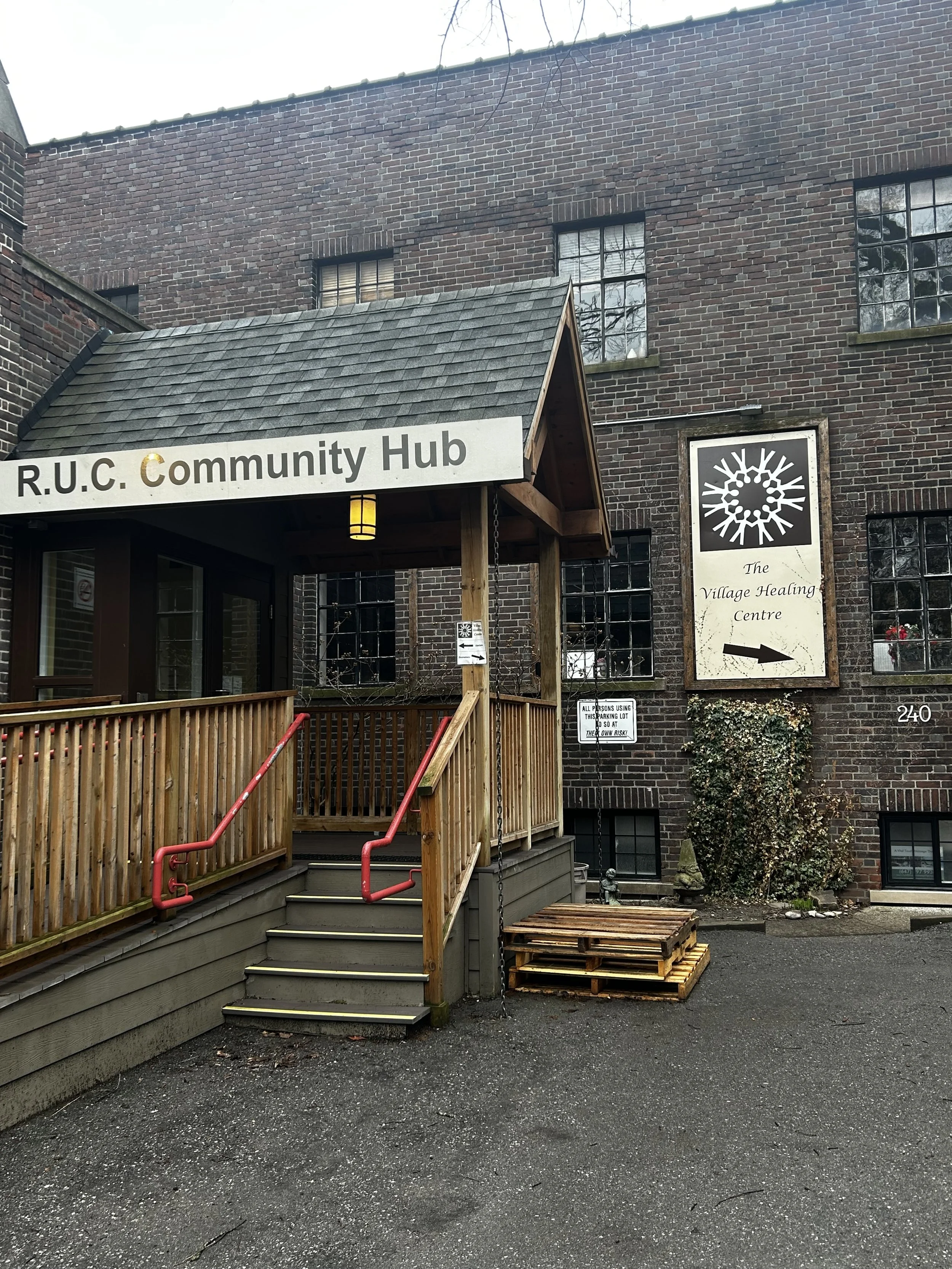
Sessions are available in person at Sarah’s Roncesvalles and Junction offices in Toronto's west end, and virtually across Canada.
Location & Availability

A Somatic, Body-First Approach to This Grief
A diagnosis changes your relationship with your own body, sometimes overnight. It's common to feel betrayed by it, disconnected from it, or braced against whatever it might do next. Sarah’s approach draws on Somatic ExperiencingⓇ to help you work with that relationship directly, not just talk about it, so your nervous system has room to process what's changed alongside your mind. This isn't about accepting the diagnosis on a timeline. It's about helping you carry it with more steadiness.
When the Diagnosis Is Cancer
Grieving a cancer diagnosis often means grieving in the middle of an active crisis, while still needing to make decisions, attend appointments, and keep functioning. There's rarely space to feel the full weight of it before the next step demands your attention. As a Professional Cancer Coach, this is territory I know specifically, including the strange grief of survivorship, where the crisis has passed but the body, identity, and fear it left behind haven't.
-
This work is for anyone whose diagnosis, whether it's cancer or another serious health condition, has brought a grief that doesn't fit the usual picture of loss. It's for people grieving their health, their plans, their sense of who they are, or a future that no longer looks the way they expected. It's also for people further along in treatment or survivorship, where the acute crisis has eased but the grief underneath it hasn't. You don't need to have "finished" treatment, or be in crisis, to bring this into the room.
-
Sarah offers somatic and talk therapy for grieving a diagnosis, available in person at both my Roncesvalles and Junction offices in Toronto's west end, and virtually across Canada. Sessions draw on Somatic Experiencing to help settle a nervous system that's often bracing against fear or uncertainty, alongside talk therapy to work through the grief, anger, and identity shifts a diagnosis can bring. This work is directly informed by Sarah’s background as a Professional Cancer Coach.
-
Sessions meet you wherever you are with the diagnosis, whether that's early on, mid-treatment, or well into survivorship. We might work somatically to help your body settle when fear or overwhelm takes over, or use talk therapy to make space for grief that hasn't had anywhere else to go. There's no expectation that you should feel a certain way about your diagnosis by a certain point. The pace follows what you're actually carrying.
-
This isn't medical treatment, and it won't replace your oncologist, specialist, or care team. I don't advise on treatment decisions, and I'll always encourage you to bring those conversations to your medical providers. This also isn't a space where you're expected to stay positive or grateful for a "good prognosis." Grief after a diagnosis is valid regardless of how treatable or survivable your condition is, and therapy here makes room for that honestly.
-
Individual sessions: $160–$200
Family/Couples sessions: $210–$250
HST is not applied to registered psychotherapy sessions. Receipts are provided for insurance submission where applicable.

You Might Also Find These Helpful
Grief therapy, for loss connected to death, including grief following a cancer or illness-related death
Support for health-related stress or cancer, for broader support through diagnosis, treatment, and survivorship
Chronic illness and chronic pain therapy, for the ongoing physical experience of living with illness or its aftermath