
Grief Therapy in Toronto
Grief doesn't move in a straight line, and it doesn't always look the way people expect. It can show up as sadness, but just as often it shows up as numbness, irritability, exhaustion, or a strange sense of unreality that makes it hard to function in the ways you are used to. Sarah offers somatic and talk therapy for grief, in person in Toronto's west end and virtually across Canada, for anyone carrying a loss that hasn't found its footing yet.
What Grief Can Look Like
Grief rarely looks the way people expect, and it doesn't always announce itself as sadness.
Numbness or difficulty feeling anything at all
Waves of intense emotion that arrive without warning
Irritability, anger, or a shorter fuse than usual
Exhaustion or a body that feels heavy and slow
Guilt, relief, or a mix of feelings that don't seem to fit together
Trouble concentrating or a sense of unreality
Grief that resurfaces around anniversaries, milestones, or without any clear trigger at all.
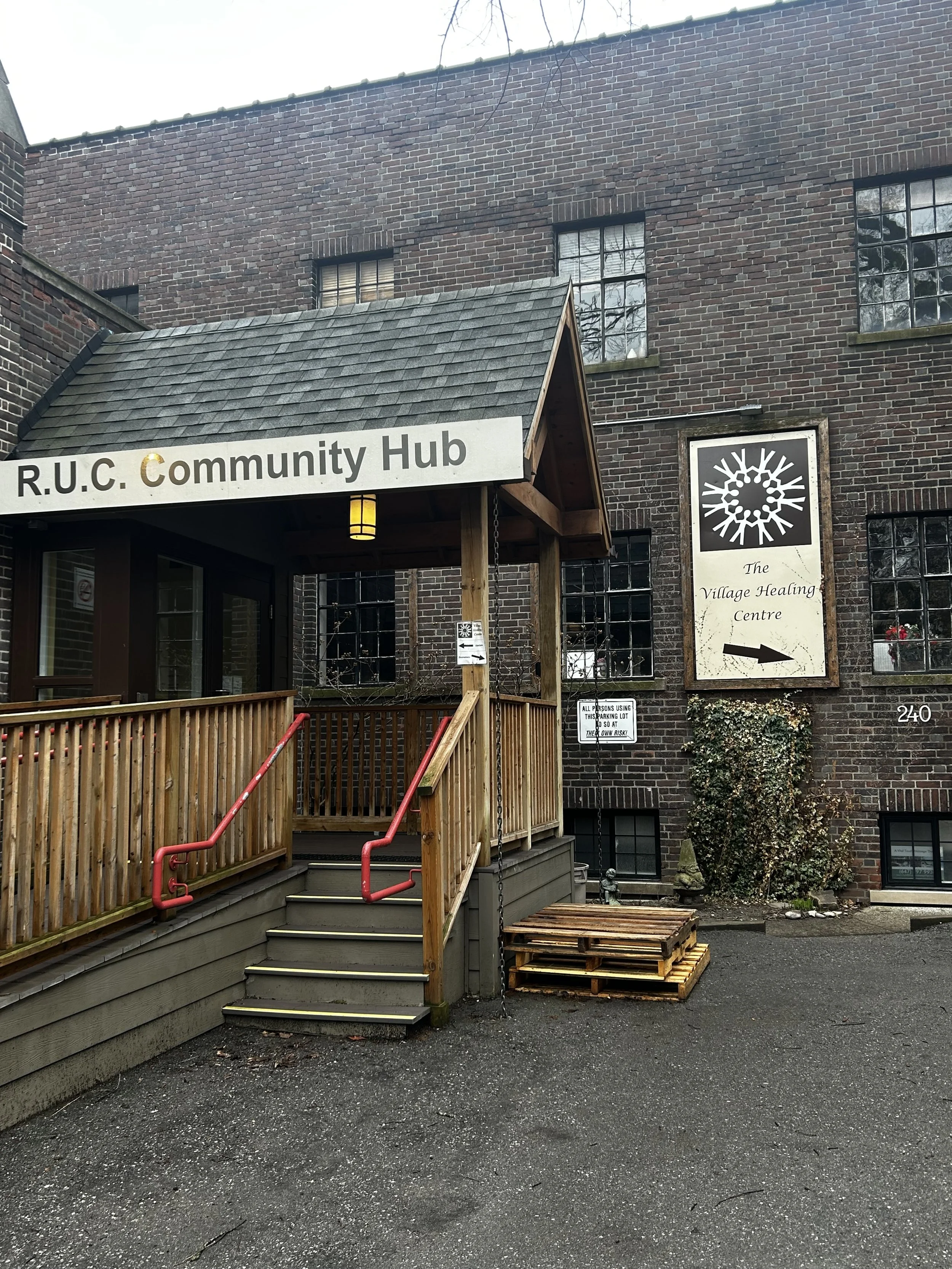
Sessions are available in person at Sarah’s Roncesvalles and Junction offices in Toronto's west end, and virtually across Canada.
Location & Availability
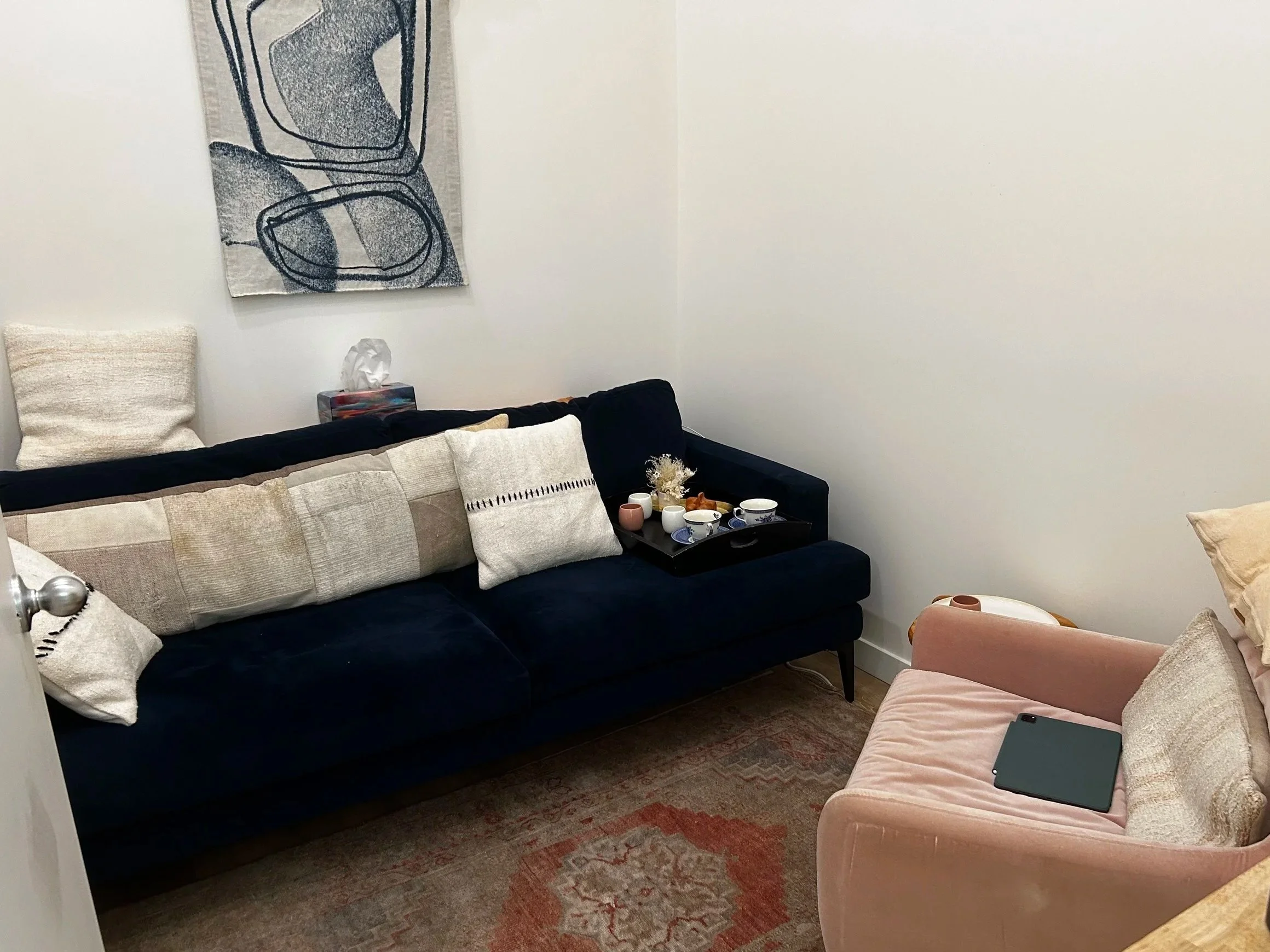
A Somatic, Body-First Approach to Grief
Grief lives in the body as much as it lives in thought, often showing up as fatigue, tightness, a heaviness that doesn't lift, or a nervous system that swings between shutdown and overwhelm. Sarah’s approach draws on Somatic ExperiencingⓇ to work with what your body is actually holding, alongside talk therapy to help you make sense of the loss itself. This isn't about moving past grief on a timeline. It's about helping your system find enough steadiness to carry it.
Grief Tied to Illness, Diagnosis, or Cancer
Grief isn't only about death. It can also mean grieving a diagnosis, a body that no longer works the way it used to, or a future you thought you'd have. And when grief follows the death of someone to cancer or another illness, it often carries its own weight: the exhaustion of caregiving, the complicated relief that can come after a long decline, and grief that started long before the loss itself. As a Professional Cancer Coach, Sarah brings that understanding directly into this work, so you don't have to explain that context from the ground up.
-
This work is for anyone carrying a loss, whether that's the death of someone close to you, the loss of a relationship, a role, a diagnosis, or a future you expected to have. It's for people whose grief doesn't match what they thought it would feel like, whether that's numbness instead of sadness, relief tangled with guilt, or grief that hits hardest around anniversaries and quiet moments rather than the day of the loss itself. There's no required amount of time that needs to have passed, and no version of grief that's too complicated or too ordinary to bring into the room.
-
Sarah offers somatic and talk therapy for grief, available in person at both my Roncesvalles and Junction offices in Toronto's west end, and virtually across Canada. Sessions draw on Somatic Experiencing to help settle the physical weight grief often carries, alongside talk therapy to make sense of the loss and what's shifted because of it. For clients grieving a loss connected to cancer or serious illness, this work is also informed by Sarah’s background as a Professional Cancer Coach.
-
Sessions follow where you are, not a fixed stage or timeline. We'll check in with how grief is showing up for you that day, whether that's in your body, your thoughts, or your relationships, and work from there. Some sessions may focus on settling your nervous system when grief feels overwhelming. Others may be about making sense of complicated feelings, like guilt, anger, or relief, that don't get much space elsewhere. There's no pressure to be further along than you are.
-
This isn't about getting over your loss or reaching a fixed endpoint called "closure." Grief doesn't work that way, and therapy here isn't trying to make it. This also isn't a space where certain feelings get treated as more acceptable than others. Anger, relief, guilt, and numbness are all part of grief, not signs you're doing it wrong. The goal isn't to move past what happened. It's to help you carry it in a way that still lets you live.
-
Individual sessions: $160–$200
Family/Couples sessions: $210–$250
HST is not applied to registered psychotherapy sessions. Receipts are provided for insurance submission where applicable.

You Might Also Find These Helpful
Support for health-related stress or cancer, for those navigating diagnosis, treatment, or survivorship
Trauma therapy, for processing experiences your body may still be holding onto
Life transitions therapy, for the bigger shifts in identity and daily life that often follow a loss