
Grounded, body-based support to heal your relationship with money, reduce scarcity anxiety, and regulate your nervous system.
Money is rarely just about numbers. For many of us, financial stress goes far deeper than budgeting or spreadsheets—it lives in the body. If thinking about your bank account triggers an racing heartbeat, deep stomach tension, or an urge to completely shut down, you might be experiencing financial trauma.
At Interocare, therapy goes beyond traditional financial advice. We integrate trauma-informed talk therapy with body-based approaches, including Somatic Experiencing®, to help you safely explore the root of your financial anxiety, process past scarcity, and build a sense of internal safety.
Financial Trauma Therapy in West End Toronto & Online
A Somatic Approach to Financial Healing
Knowing why you feel anxious about money doesn’t always stop the anxiety from happening. Because financial trauma impacts your nervous system, true healing requires involving the body.
In our sessions together, we will:
Bridge the Mind and Body: Learn to track how your body responds to financial thoughts and stressors in real time, shifting out of fight, flight, or freeze states.
Process Past Scarcity Safely: Gently explore and release the generational patterns, childhood memories, or adult financial shocks that keep your system stuck in survival mode.
Build Emotional Regulation: Develop practical, everyday tools to help you stay grounded and clear-headed when navigating financial decisions, bills, or career transitions.
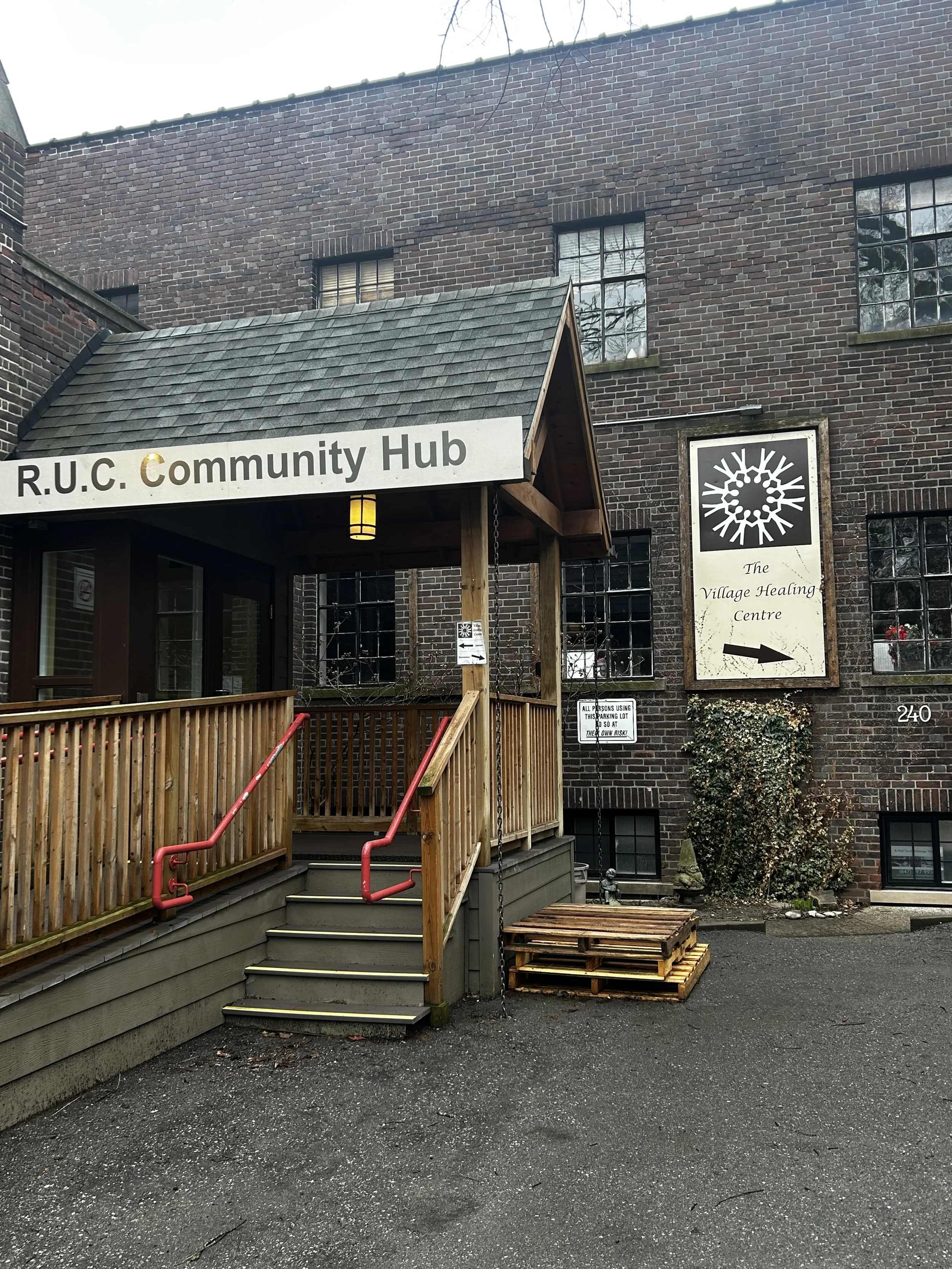
Financial Trauma therapy sessions are offered in Toronto’s west end, Roncesvalles Village, Junction neighbourhoods and online.
Location & Availability

What Financial Trauma Can Feel Like
Financial trauma can stem from childhood scarcity, sudden economic loss, systemic instability, or financial abuse. Over time, these experiences rewire how your nervous system responds to anything involving money, often showing up as:
Chronic Hypervigilance: Constantly checking your accounts, obsessing over expenses, or feeling a persistent sense of dread that "the other shoe is about to drop," even when you are financially secure.
The Freeze Response (Avoidance): Feeling completely paralyzed when it’s time to open bills, look at your balance, or file taxes, leading to procrastination and shame.
Scarcity Mindset & Guilt: Experiencing intense anxiety or guilt whenever you spend money on yourself, your comfort, or non-essential items.
Over-Working & Burnout: An inability to slow down or rest because your nervous system associates stopping work with an immediate financial threat.
Physical Stress Signals: Experiencing physical symptoms—like chest tightness, shallow breathing, or digestive distress—whenever the topic of money comes up.
-
Financial trauma therapy is personalized to your unique identity, lived experience, and goals. This support is designed for individuals navigating:
Adults who grew up in financially unstable or scarce environments and still carry that survival mindset.
Professionals and entrepreneurs experiencing acute financial anxiety, business-related trauma, or severe burnout.
Survivors of financial abuse or control within relationships looking to rebuild autonomy.
Anyone whose relationship with money causes persistent emotional distress, shame, or relationship strain.
-
Sarah offers a specialized somatic lens for individuals and families navigating the emotional weight of money. She supports:
Adults: Helping individuals break free from chronic scarcity mindsets, money-related avoidance (the "freeze" response to bills), hypervigilance around spending, and the intense financial anxiety that fuels professional burnout.
Teens: Supporting adolescents who are absorbing family financial stress, experiencing early wage-earning anxiety, or feeling overwhelmed by the systemic pressure of planning their financial futures.
Families: Helping couples and family systems untangle conflicting money stories, heal generational cycles of financial scarcity or control, and reduce the chronic nervous system dysregulation that causes relational conflict.
-
In our sessions together, we will:
Bridge the Mind and Body: Learn to track how your body responds to financial thoughts and stressors in real time, shifting out of fight, flight, or freeze states.
Process Past Scarcity Safely: Gently explore and release the generational patterns, childhood memories, or adult financial shocks that keep your system stuck in survival mode.
Build Emotional Regulation: Develop practical, everyday tools to help you stay grounded and clear-headed when navigating financial decisions, bills, or career transitions.
-
This work focuses strictly on the emotional, psychological, and relational models of money—not the numbers themselves.
We do not provide financial advising, investment strategies, debt restructuring, accounting, or budgeting spreadsheets.
We do focus on the deep-seated anxieties, systemic trauma, generational patterns, and nervous system responses that dictate how you interact with those budgets and spreadsheets.
If your body goes into fight, flight, or freeze when navigating money, we work to restore safety to your system first, so you can clearly approach the logistics of your financial life later.
-
Individual sessions: $170- $255
Family sessions: $210 - $315
HST is not applied to registered psychotherapy sessions. Receipts are provided for insurance submission where applicable.

You Might Also Find These Helpful
Depending on what brought you to therapy in the first place, one of these areas of support might be worth exploring alongside your work at the Roncesvalles and Junction offices: