
Perimenopause and menopause are not just hormonal events, they're a full-body transition, and often an identity one too. If you've been feeling less like yourself, more reactive, more tired, less sure of who you are as your body changes, you're not imagining it and you're not alone in it. Sarah offers somatic and talk therapy for women and people navigating this stage of life, whether that transition is arriving on its own timeline or has been brought on suddenly by cancer treatment or surgery.
Perimenopause & Menopause Therapy in Toronto
A Somatic, Body-First Approach to This Stage of Life
So much of what shows up in perimenopause and menopause lives in the body before it ever gets named: the sleeplessness, the irritability that feels bigger than the moment that triggered it, the sense of being wired and exhausted at the same time. Sarah’s approach starts there. Rather than only talking about what's happening, we work with what your nervous system is actually doing, helping it find moments of regulation again as your body adjusts to a new hormonal baseline. This is the same somatic foundation Sarah brings to her trauma and burnout work, applied here to a transition that deserves the same level of care.
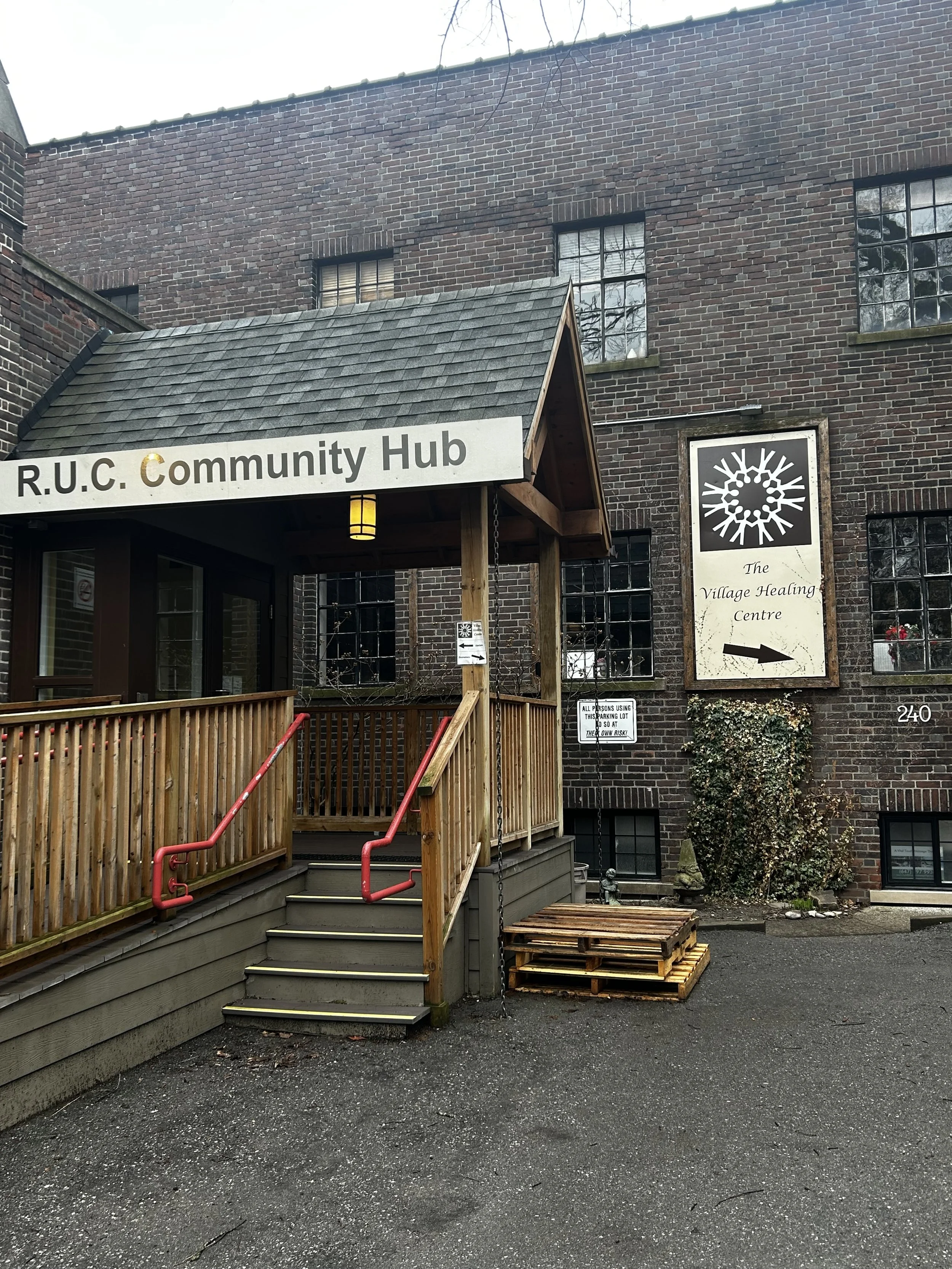
Perimenopause & Menopause therapy sessions are offered at both of Sarah’s offices in Toronto’s west end, Roncesvalles Village, Junction neighbourhoods and online.
Location & Availability
When Menopause Comes With a Medical History
For some clients, menopause doesn't arrive gradually, it arrives abruptly, brought on by chemotherapy, hormone-blocking treatment, or surgery. As a Professional Cancer Coach, Sarah understands the layered grief and disorientation that can come with medically induced menopause on top of a cancer diagnosis. This isn't a transition you were given time to prepare for, and the emotional weight of that is real. If you're navigating menopause alongside cancer treatment or survivorship, this is work Sarah is well positioned to support you through.
The Identity Side of Midlife
Perimenopause and menopause often arrive alongside other life transitions: shifting relationships, changing roles at home or at work, a different relationship with your own body, sometimes a quiet grief for a version of yourself that feels like it's slipping away. Therapy here isn't about pathologizing a natural transition. It's about giving you a steady space to make sense of who you're becoming, not just what you're losing.
-
This work is for anyone finding this hormonal transition harder to navigate than they expected, whether that shows up as mood swings, anxiety, irritability, disrupted sleep, or a general sense of not feeling like yourself. It's also for people whose menopause arrived suddenly rather than gradually, brought on by chemotherapy, hormone-blocking treatment, or surgery, where there wasn't time to prepare for the shift. And it's for anyone who feels like this transition is stirring up bigger questions about identity, relationships, or what comes next, even if the hormonal symptoms themselves feel manageable. If perimenopause or menopause is affecting how you feel day to day, that's reason enough to bring it into the room.
-
Sarah offers somatic and talk therapy sessions built around this specific life stage, available both in person at her offices in Toronto’s West End and virtually across Canada. Sessions draw on nervous system-focused, body-first techniques to help settle the physical intensity of this transition, alongside talk therapy to work through the identity and relationship shifts that often accompany it. For clients navigating medically or surgically induced menopause following cancer treatment, this work is informed by Sarah’s background as a Professional Cancer Coach, so the layered grief and disorientation of that experience are met with real understanding, not just general menopause support.
-
Sessions start where you are, not with a script. We'll often begin by checking in with what's happening in your body that day, since so much of this transition is felt physically before it's fully understood. From there, we might work somatically to help regulate your nervous system in the moment, or move into talk therapy to unpack what's shifting in your sense of self, your relationships, or your roles. There's no fixed formula session to session. The pace and focus are shaped by what you're carrying that week, with the same steady, body-aware approach underneath each time.
-
This isn't medical treatment, and it won't replace your doctor or a hormone specialist. Sarah doesn't prescribe or advise on hormone therapy, medication. It's also not a space where menopause gets treated as a problem to be fixed or rushed through. This is a natural transition, not a diagnosis, and therapy here isn't about getting you back to who you were before it started. It's about giving you real support while you move through it, and helping you meet whoever you're becoming on the other side.
-
IIndividual sessions: $170- $255
Family sessions: $210 - $315
HST is not applied to registered psychotherapy sessions. Receipts are provided for insurance submission where applicable.

You Might Also Find These Helpful
Depending on what brought you to therapy in the first place, one of these areas of support might be worth exploring alongside your work at the Roncesvalles and Junction offices: